Understanding PVC Pellets: A Versatile & Practical Plastic Raw Material
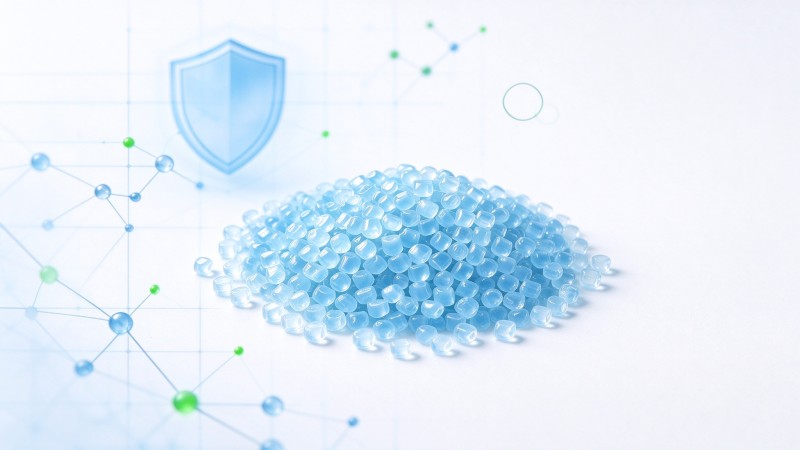
Within the plastics industry, PVC pellets are well-known basic raw materials. Many people have heard of the name, yet few fully understand what PVC is and where it appears in daily life. PVC, or Polyvinyl Chloride. The pale translucent purple pellets shown are modified PVC plastic particles. These tiny pellets act as the precursor of plastic products. Manufacturers melt the pellets under high temperature, then process them into diverse finished goods via injection molding or extrusion.
Advantages of PVC Pellets
1. Cost-effective: It comes with affordable raw material cost. Compared with many other plastics, it helps control production expenses while maintaining stable quality.
2. High plasticity: Its hardness can be flexibly adjusted. It can be made into soft and flexible hoses & sealing strips, or rigid and durable pipes and profiles. Custom colors including transparent and solid shades are available.
3. Excellent corrosion & aging resistance: It features good acid and alkali resistance, waterproof and moisture-proof performance, suitable for outdoor and humid working environments.
Wide Applications in Daily Life
- - Construction & Decoration: Drainage pipes, electrical conduits, window & door sealing strips, decorative moldings
- - Daily Consumer Goods: Flexible hoses, toy shells, various plastic fittings
- - Industrial Sector: Cable sheaths, industrial protective sleeves, plastic components
PVC pellets are available in multiple grades including transparent, soft and rigid types for different scenarios. For food-contact or skin-contact products, only compliant eco-grade raw materials should be adopted.
From raw pellets at factories to household goods, PVC pellets support a huge plastics supply chain.
Disclaimer
This article is sourced from other media and does not represent the views or positions of this website.