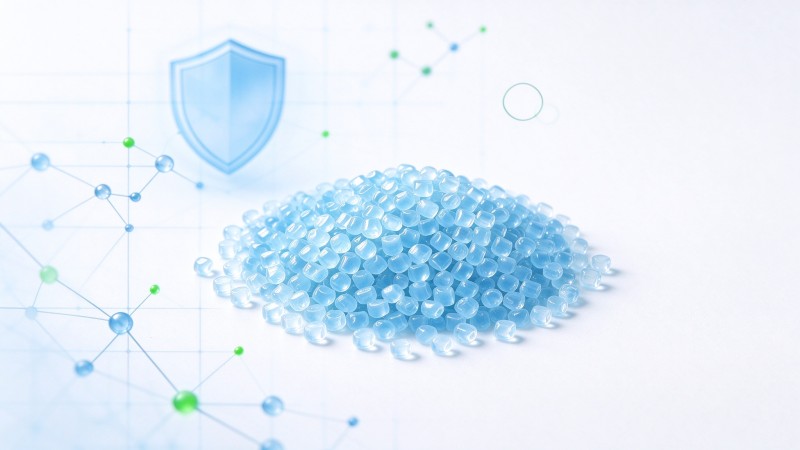
Differences Between PP, PE and PVC for Cable Outer Sheath
.jpg)
PP, PE and PVC are three widely used thermoplastic materials for cable outer sheath and insulation layers. They differ greatly in physical properties, processing characteristics and applicable environments.
Polypropylene (PP) is lightweight with good heat resistance. Its operating temperature ranges from -30℃ to 140℃. It can be processed by injection molding, extrusion, blow molding and thermoforming. It is commonly used for automotive parts, packaging, household appliances and pipe systems.
Polyethylene (PE) features excellent electrical insulation and low-temperature resistance. It can withstand temperatures as low as -100℃. Extruded PE is a classic choice for cable insulation, and it is also widely used in plastic pipes, agricultural films and medical supplies.
Polyvinyl chloride (PVC) has high mechanical strength and good dielectric property. It can be formulated into rigid or flexible grades. PVC is popular in building pipes, cable layers and electronic housings. However, it releases corrosive gas when burned, so stabilizers are required during production.
Simple identification helps distinguish them: PP and PE are waxy, translucent white, and drip like paraffin when burning with blue flame. PVC can be rigid transparent or soft opaque, and produces irritating gas with green flame while burning.
Selecting the right sheath material depends on temperature, weather resistance, flame retardant requirements and service scenarios of cables.
Disclaimer
This article is sourced from other media and does not represent the views or positions of this website.
.jpg)